

There was a time when identity lived primarily in what we wore.
Clothing carried meaning. It signaled taste, status, subculture, rebellion, restraint. A silhouette could say more about a person than a conversation ever could. Fashion wasn’t just aesthetic, it was language.
Now that language is expanding.
Because it’s no longer just what you wear.
It’s what you make.
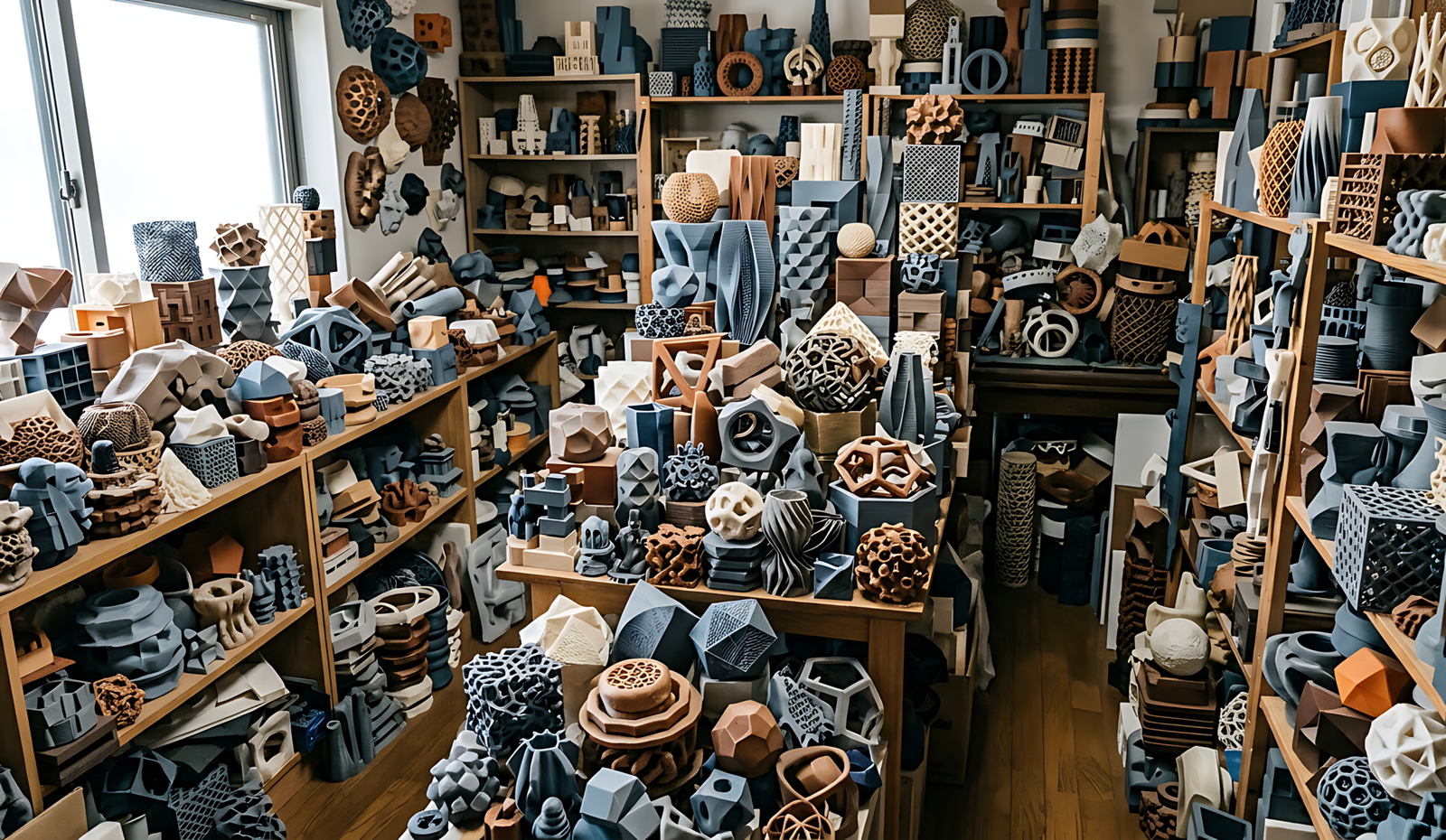
3D printing quietly shifts the role of everyday objects. Things that used to be purely functional are becoming expressive. A phone stand, a lamp, a piece of jewelry, a desk organizer. None of these are just tools anymore. They’re choices. And increasingly, they’re personal.
Not selected. Designed.
From Wearing Identity to Building It
Fashion trained us to think about identity as something external but visible. You choose an outfit, and that choice reflects something about you.
3D printing takes that same logic and pushes it further.
Instead of choosing from what exists, you decide what should exist in the first place.
That’s a different level of control. It’s the difference between:
• finding something that feels like you
• and creating something that is you
Even small objects start to carry intention. The curve of a handle, the thickness of a form, the texture of a surface. These aren’t just design decisions anymore, they’re preferences, instincts, taste.
And taste is never neutral.
The Rise of Hyper-Personalization
Mass production gave us access. Personalization gives us identity.
We’re moving toward a space where having something unique matters more than having something expensive. The value isn’t just in the object itself, but in the fact that it reflects a specific person.
You.
3D printing makes that shift possible at a scale that didn’t exist before. You don’t need a brand to validate your taste. You don’t need to wait for trends to catch up to you. You can move first.
But that raises a quiet question.
When everything can be customized… what actually makes something meaningful?
Designed vs. Performed Identity
There’s a difference between expressing who you are and constructing a version of yourself.
3D printing sits right in the middle of that tension.
On one hand, it offers genuine creative freedom. You can design objects that align with your aesthetic, your habits, your way of thinking. That’s real expression.
On the other hand, it opens the door to over-curation. To designing not just what you like, but what you think you should like. To building an identity that feels cohesive, polished, intentional.
Possibly too intentional.
When everything around you is customized, identity can start to feel less like something natural and more like something managed.
The Aesthetic Economy
We’re already seeing a shift in what people value.
Owning something rare used to mean it was expensive or hard to find. Now, rarity can come from originality. From having something that no one else has because it came from you.
“I made this” carries a different kind of weight.
It’s not about access. It’s about authorship.
Taste becomes visible in new ways. Not just through what you choose, but through what you create. And that changes how people read objects. A simple print can carry as much identity as a full outfit once did.
When Everything Is Personal
There’s a limit to how much identity you can embed into objects before it starts to blur.
If everything is an extension of you, then nothing stands apart. The distinction between functional and expressive disappears. A tool becomes a statement. A decoration becomes a reflection.
That can be powerful.
It can also be overwhelming.
Because when you’re responsible for designing the world around you, you’re also responsible for defining yourself within it.
The Object as Self
3D printing doesn’t just change how we make things. It changes what those things mean.
Objects are no longer passive. They don’t just serve a purpose. They communicate. They reflect decisions, preferences, identities.
They become fragments of the person who made them.
And slowly, almost without noticing, the boundary shifts.
You’re not just surrounded by things you own.
You’re surrounded by things that represent you.
Final Thoughts
We used to look for identity in what was available to us.
Now we build it from scratch.
Layer by layer, choice by choice, object by object.
Not something we find.
Something we construct.
Leave a Reply