

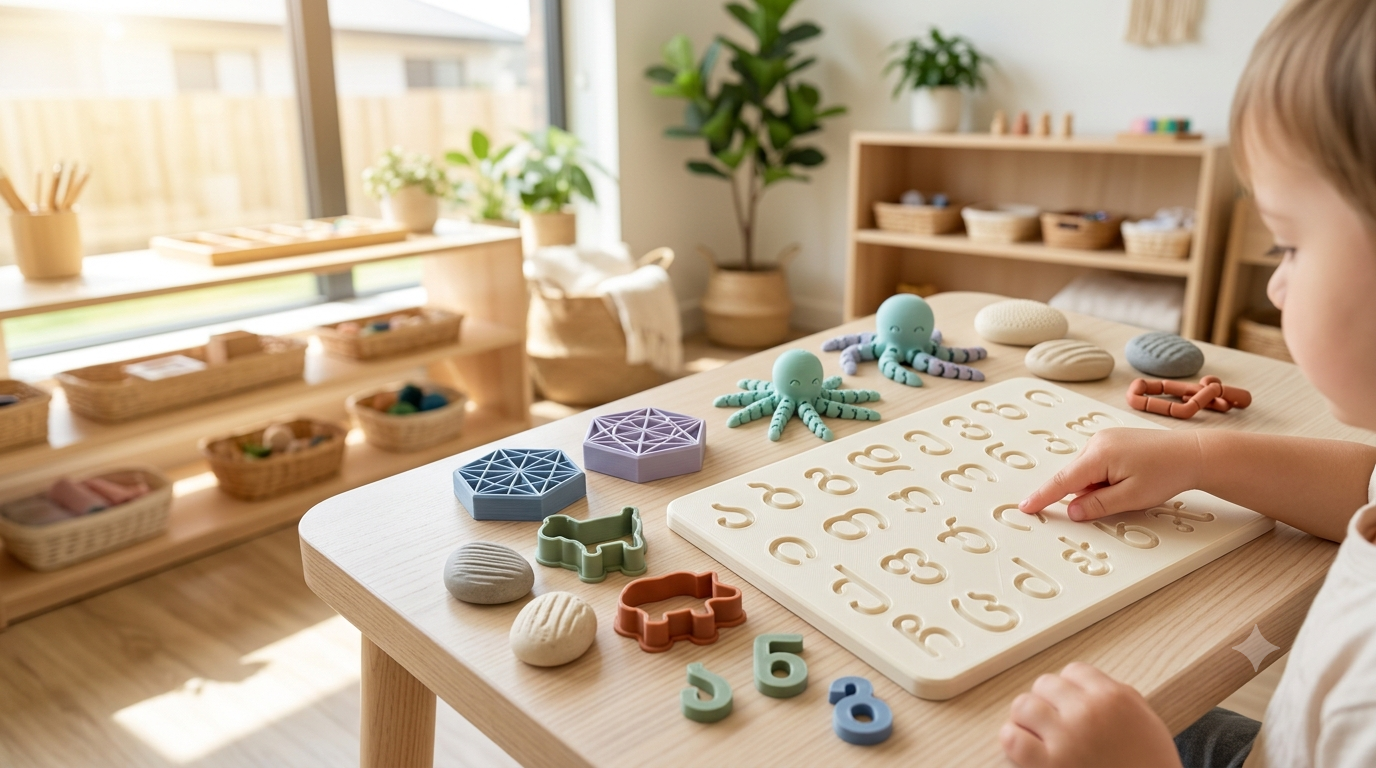
Sensory play is much more than just a fun activity—it is an essential part of early childhood development. Through touching, pressing, tracing, rolling, sorting, and creating, children strengthen the skills they need for writing, problem-solving, creativity, and everyday learning.
For preschools, kindergartens, and early primary schools, sensory materials have become an important part of modern education. Items such as tracing boards, sensory stamps, dough cutters, fidget toys, sensory stones, and tactile learning tools help children develop fine motor skills, hand-eye coordination, concentration, language, and confidence while making learning enjoyable.
The Challenge
Many high-quality sensory resources available today are produced abroad. For educators in Georgia, this often means:
- Limited product availability
- High shipping costs
- Long delivery times
- Few options designed specifically for Georgian children
Perhaps the biggest limitation is the lack of educational materials featuring the Georgian alphabet, local culture, traditional patterns, and culturally relevant themes. Teachers are often forced to adapt foreign products that do not fully meet the needs of their students.
How 3D Printing Changes Everything
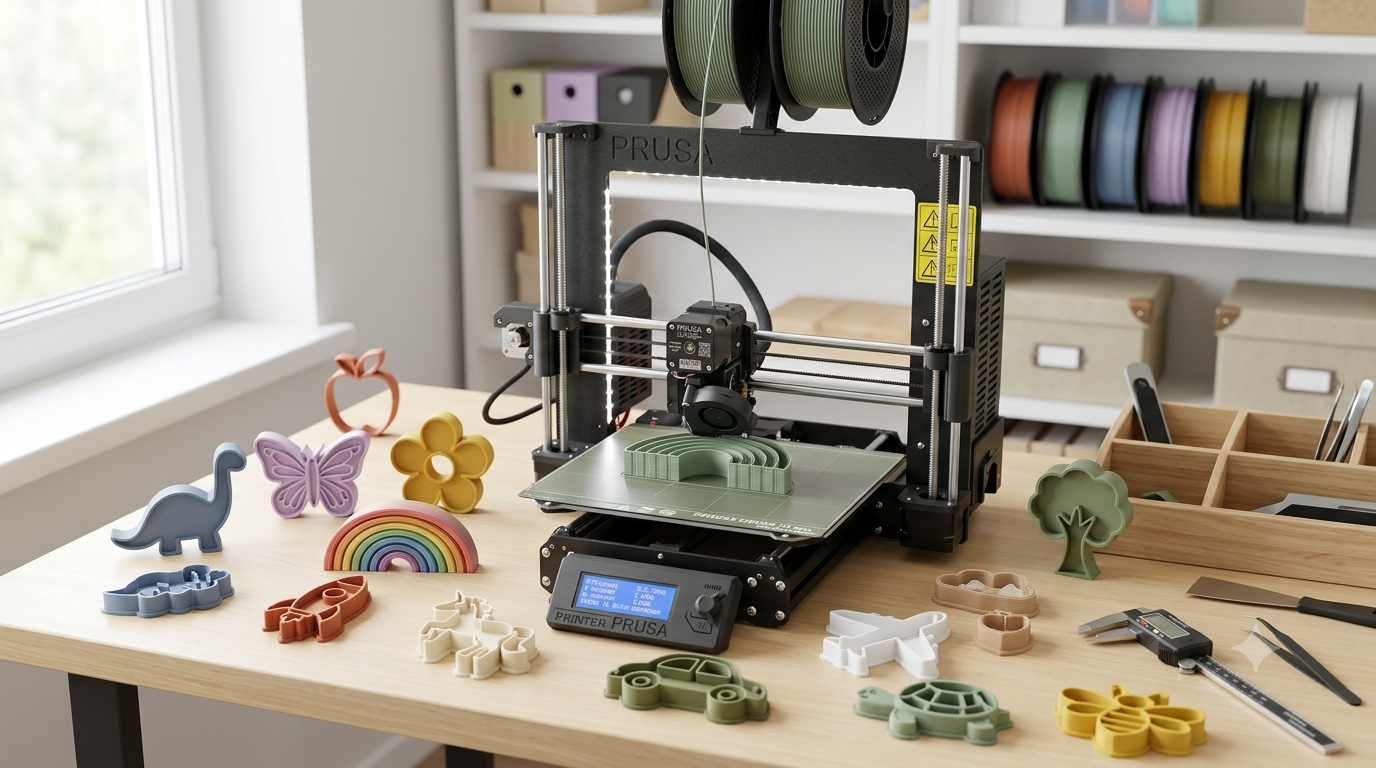
3D printing offers a completely different approach.
Instead of searching for the perfect educational tool, schools can simply create it.
Whether it’s a tracing board with Georgian letters, sensory stones featuring local animals, traditional Georgian pattern stamps, or custom dough cutters for a classroom project, almost any idea can be designed and produced.
Because there are no expensive moulds or minimum production quantities, even a single educational tool can be manufactured quickly and affordably.
Perfect for Custom Learning
Every classroom is different, and every child learns differently.
With 3D printing, educators can create learning materials tailored to:
- Individual learning needs
- Special educational needs
- Classroom themes
- Seasonal activities
- Georgian language learning
- Mathematics and literacy activities
- Cultural and traditional education
Need ten tracing boards? They can be printed.
Need one prototype to test with students? It can be printed the same day, evaluated in the classroom, improved if necessary, and reproduced immediately.
This rapid design-to-production process allows teachers to experiment with new teaching ideas without waiting months for overseas deliveries.
Endless Possibilities
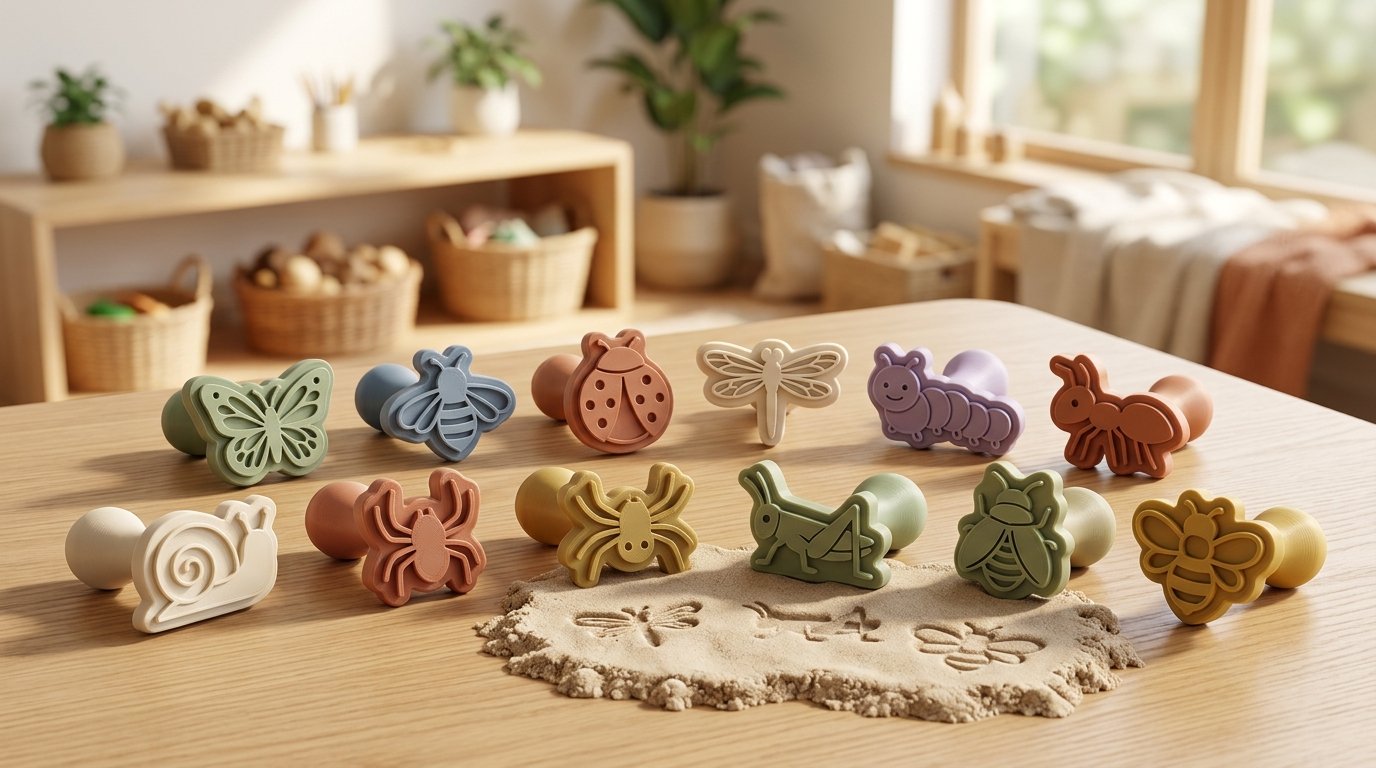
Some of the most popular 3D-printed sensory learning tools include:
- Tracing boards
- Dough cutters
- Sensory stamps
- Alphabet learning tools
- Number tracing sets
- Fidget toys
- Sensory stones
- Sorting and matching games
- Fine motor activity tools
- Classroom organisers
Each design can also be personalised with names, school logos, educational themes, or specific learning objectives.
Supporting Georgian Education Through Local Innovation
Producing educational resources locally means faster delivery, easier customisation, and products designed specifically for Georgian children.
Instead of relying on imported educational materials, schools can work together with local designers and 3D printing specialists to create resources that truly fit their curriculum and students’ needs.
At Dvinci, we believe every educator should have access to creative, affordable, and personalised educational tools. With 3D printing, ideas can become real teaching resources within hours—helping teachers inspire curiosity, creativity, and hands-on learning every day.
Leave a Reply