

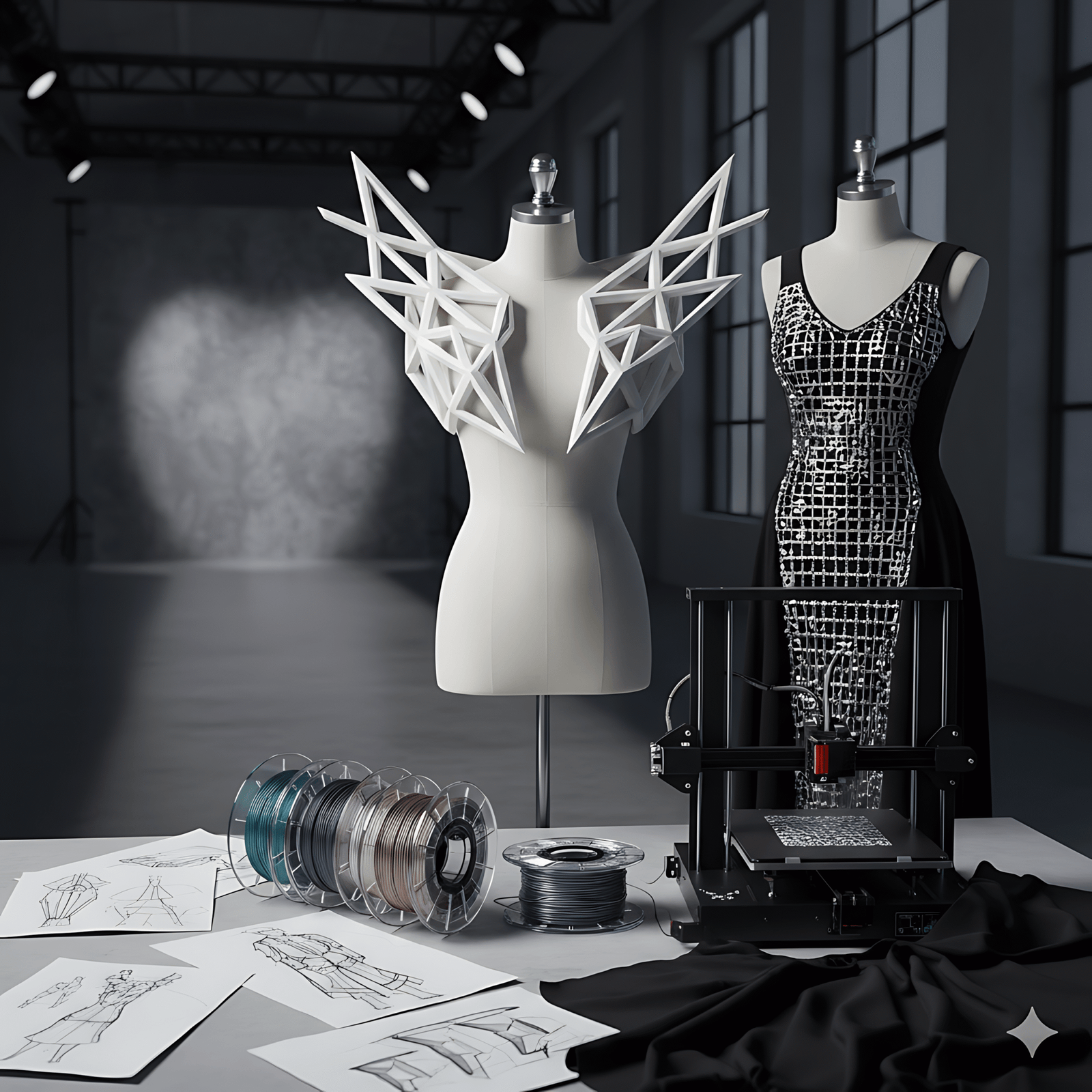
Hello my well-dressed children! Happy Wednesday. Let’s learn and talk about Fashion and 3D printing at 9am in the morning like the divas we are.
Fashion keeps reinventing itself in a loop, desperately trying to surprise an audience that’s already seen everything (especially in this cursed decade). And every now and then, something genuinely new breaks through the noise. 3D printing is one of those rare shifts. It didn’t tiptoe into the industry; it showed up, threw a handful of molten filament in the air, and asked why we’re still stuck sewing fabric when we could sculpt clothing instead.
Here’s the real story behind how the fashion world is absorbing additive manufacturing and what that means for designers, makers and anyone who likes wearable weirdness.
Why 3D Printing Works for Fashion
Traditional fashion moves with scissors, thread and too much waste. 3D printing moves with precision, math and just enough rebellious spirit to question the entire system. Layer-by-layer fabrication lets designers break free from fabric physics entirely. No more settling for what a woven material can bend into.
Designers can:
- Sketch something impossible and actually print it
- Iterate fast without rebuilding patterns from scratch
- Cut waste down to nearly zero
- Shape garments to fit the wearer instead of fighting with sizing systems
When you strip things down, it’s the freedom that makes 3D printing irresistible.
Runway Evolution: From Fantasy to Functional
When 3D printing first hit the runway, it looked like someone dared sci-fi artists to crash Fashion Week. Iris van Herpen led the charge with pieces that looked like living organisms and alien exoskeletons. It was wild, unapologetically experimental and occasionally uncomfortable.
But that shock phase matured. Modern runway pieces mix flexible filaments with resin components and printed textiles to create garments that bend, move and light up, sometimes literally. What used to be a stunt has evolved into a legitimate design language.
Spotlight: Sophy Wong
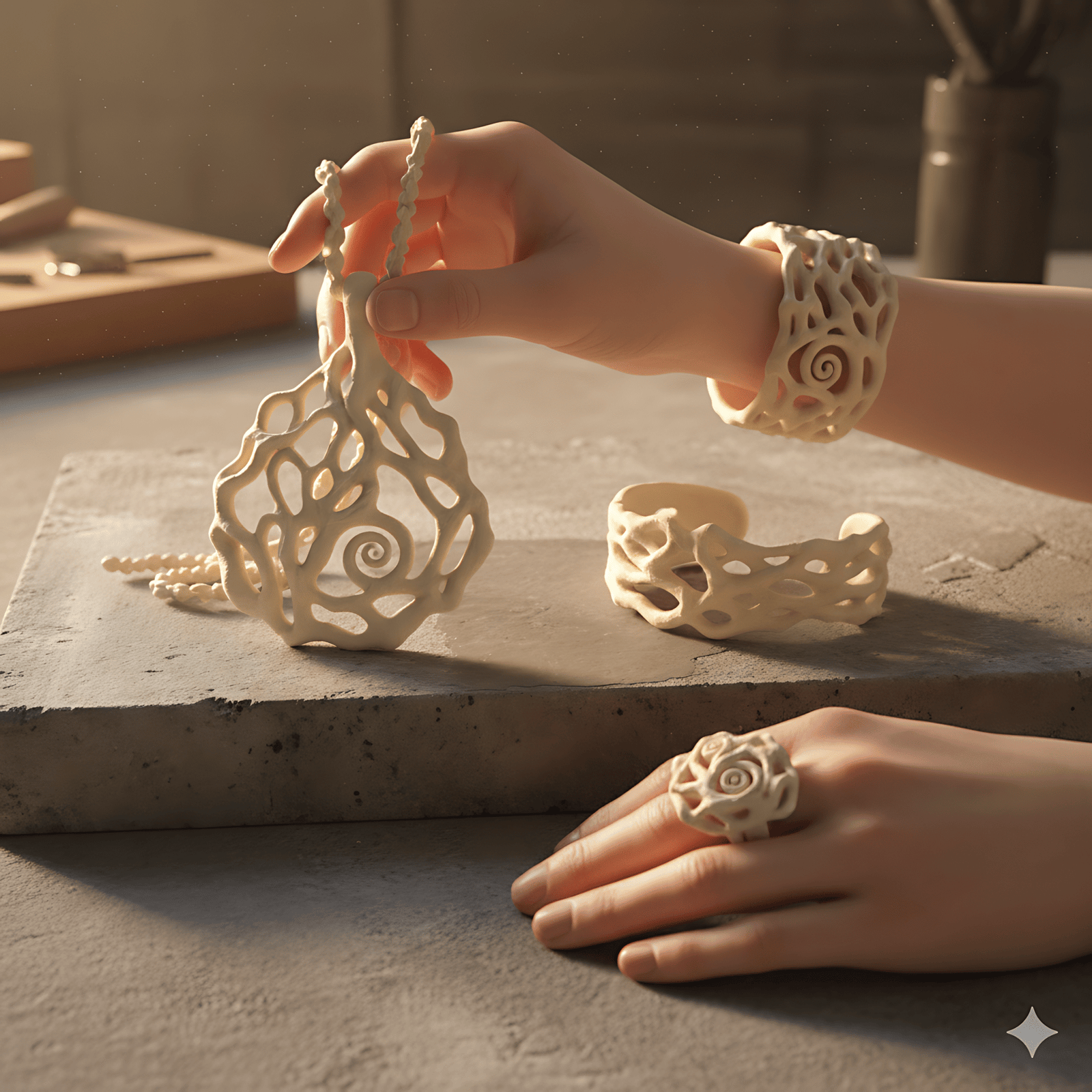
This one is my personal favourite. Sophy Wong proves 3D printing isn’t just for engineers and lab coats. She treats the medium like a storyteller. Her work blends traditional craft, cultural influences and contemporary fabrication. Think intricate jewelry, sculptural accessories and surface textures that look hand-carved even though they’re digitally designed. She experiments constantly, shares her process openly and balances futuristic aesthetics with deeply personal narrative choices. Her pieces feel alive, and honestly, the fashion scene is better for having her in it. She’s the one person that made me feel hopeful about this whole thing and she makes the coolest things ever. Make sure to check out her website for her work and HER blog.
- Shoes shaped perfectly to your feet
- Jewelry fitted to your bone structure
- Adaptive fashion that supports real human bodies, not fashion sketch proportions
- Wearable tech that hugs you instead of poking you
Sustainability and the Zero-Waste Dream
Fashion’s waste problem is embarrassing. Overproduction, discarded stock, synthetic scraps, doomed fast-fashion pieces. It piles up fast.
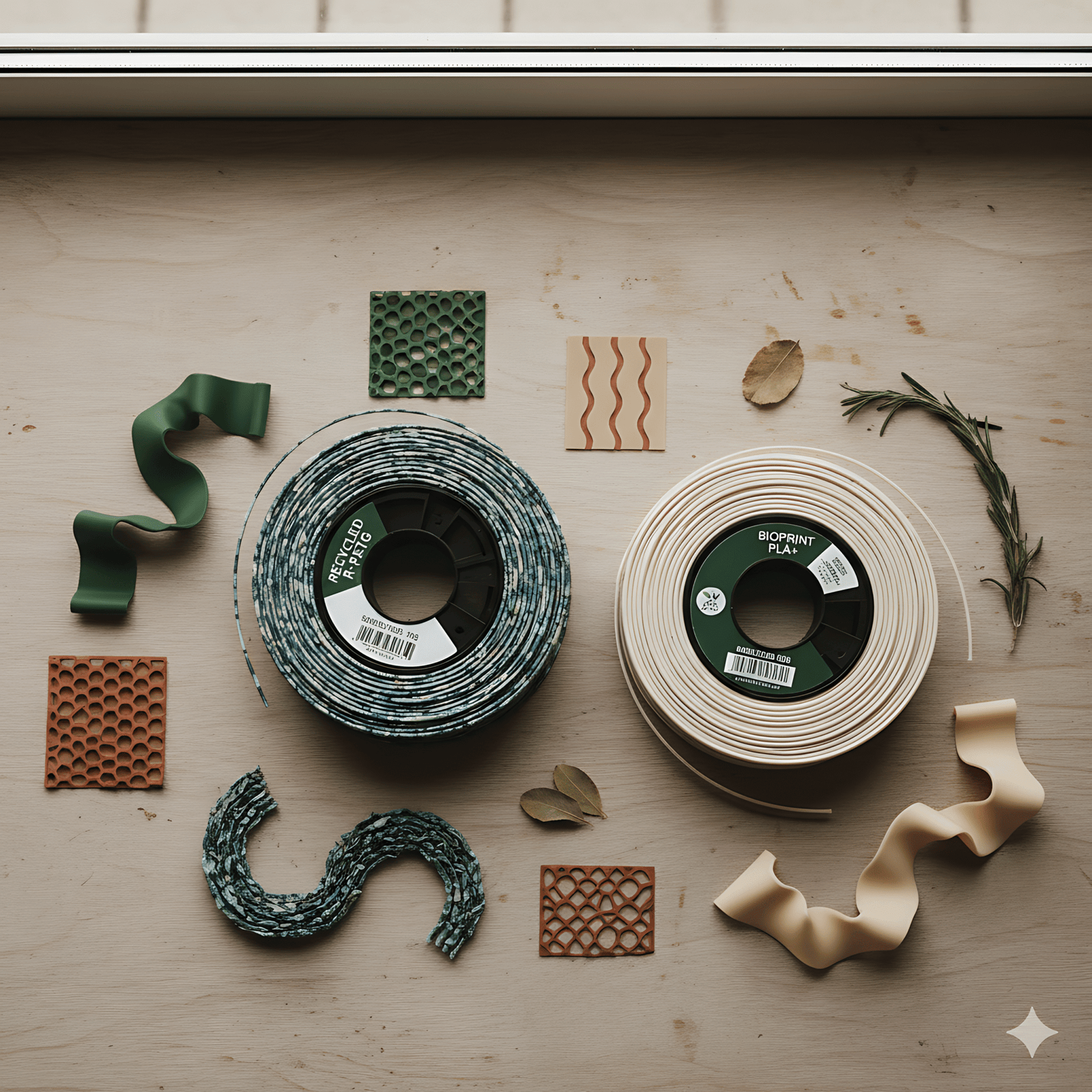
3D printing offers a path that at least points toward better habits:
- Print-on-demand eliminates excess inventory
- Recycled filaments are getting decent
- Some materials are biodegradable
- Local production cuts shipping waste
It’s not a saintly solution, but it’s a step toward sanity.
Challenges: Not Everything Is Print-Perfect
There are limits. Lots of them. Like:
- Filaments can be stiff or brittle
- Large pieces still take forever
- Soft, truly fabric-like materials are in their awkward teenage years
- Industrial printers are pricey
- Finishing touches require patience designers rarely have
But the tech keeps improving. Every year, machines get faster, materials get smarter and designers get braver.
What It Means for the Future
Expect to see hybrid garments everywhere. Think real fabric blended with printed elements that add structure, movement, or design that was impossible before. Accessories will keep expanding: printed shoes, masks, headpieces, jewelry. Even everyday retail might eventually offer body scans to generate custom pieces you can pick up tomorrow.
Fashion isn’t just stitching anymore. It’s modeling, sculpting, engineering.
Final Thoughts
3D printing isn’t a novelty in fashion anymore. It’s a creative engine powering bolder ideas, better sustainability and new ways to build garments that respect individuality. As materials improve and printers stop acting like moody robots, expect the line between art, tech and clothing to fade entirely. And honestly, that’s a future worth rooting for.
I’m planning on testing this stuff out and as soon as possible. Especially the things I’ve learned from Sophie Wong. I love fashion and this is by far my favourite application of 3D printing. So, stay tuned for that, I guess.
That’s a wrap! Go slay diva.
… Did you not hear me???? Sashay AWAY 💜
Leave a Reply