

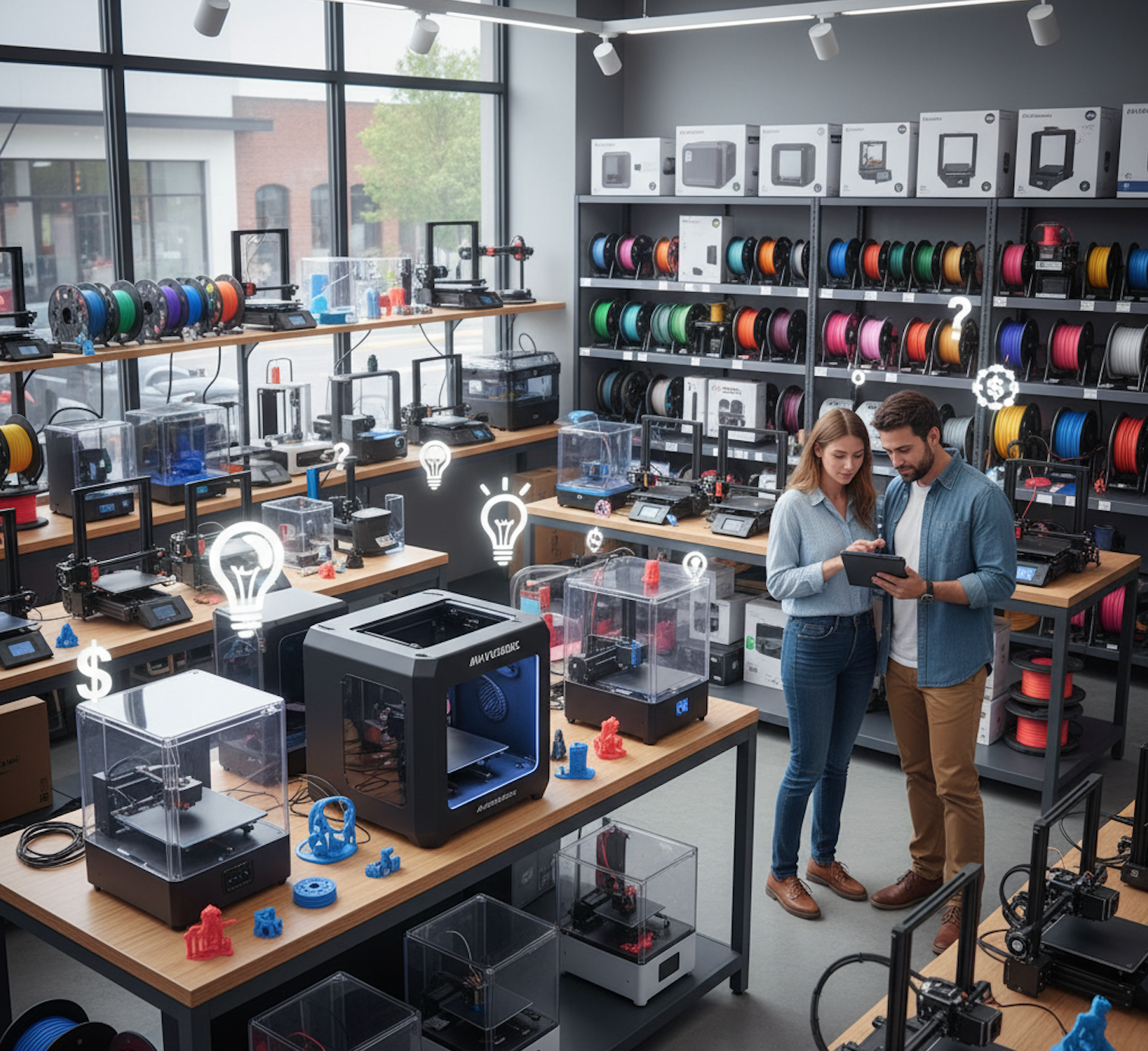
Picture a dedicated teacher in a Batumi school lab, scrolling through endless online listings for 3D printers. Excitement turns to confusion—models vary wildly in price and features. One wrong choice, and the machine sits unused, gathering dust while students miss out on hands-on innovation.
Selecting a 3D printer isn’t just about tech specs; it’s about matching it to real classroom needs. Common pitfalls include overlooking safety in busy environments or ignoring long-term costs that strain tight budgets.
The good news? By evaluating a few essential factors, you can pick a printer that enhances learning without breaking the bank.
Factor 1: Prioritizing Safety Features
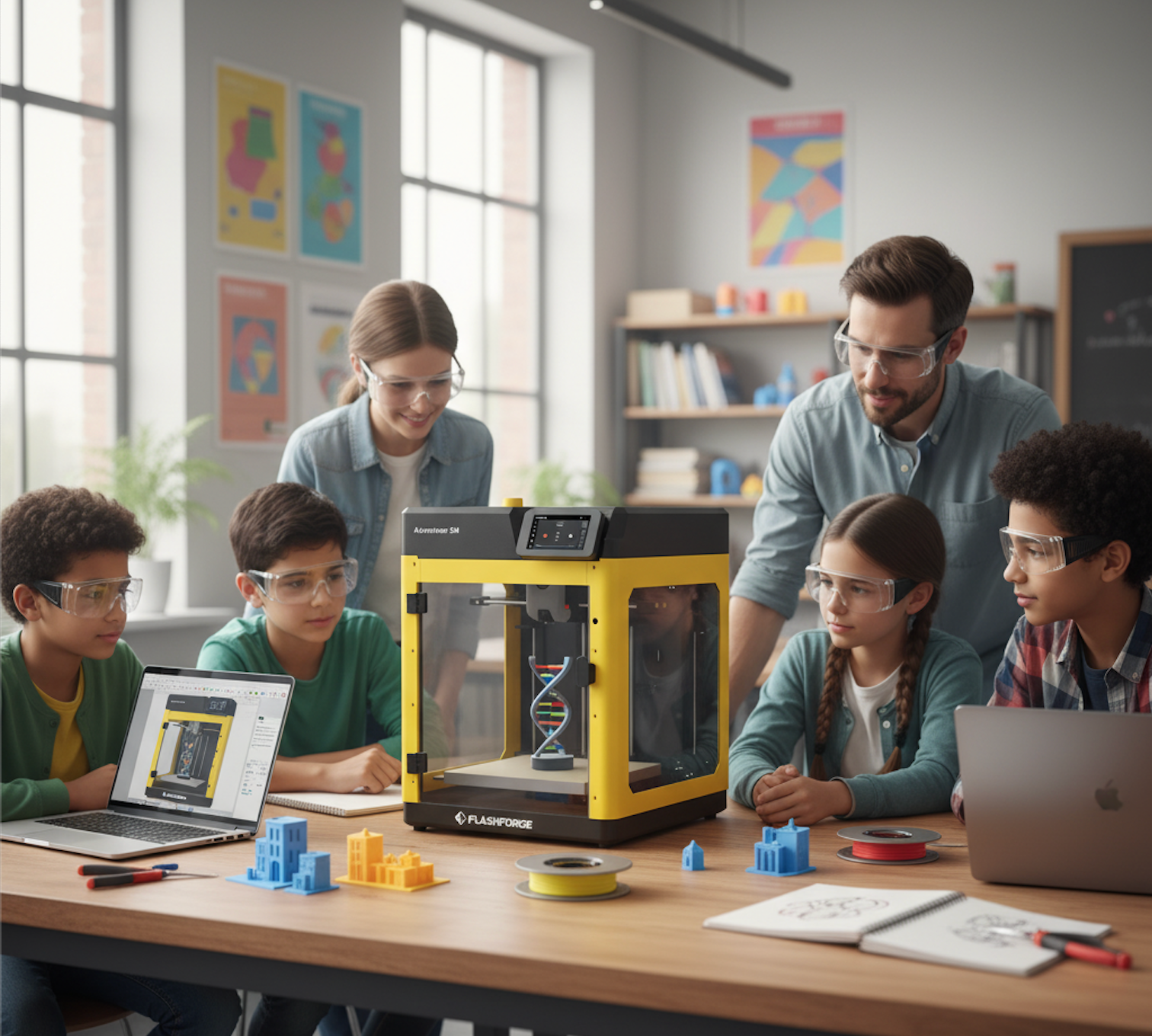
Safety comes first in any school setting. Look for enclosed designs that isolate hot and moving parts, reducing burn risks. Especially for the primary students. Built-in filtration systems minimize emissions, and auto-shutoff mechanisms detect issues instantly.
Certified electronics ensure compliance with educational standards, creating a secure space for young creators.
Factor 2: Focusing on Ease of Use and Educational Value
For teachers and students new to 3D printing, simplicity is key. Choose models with automatic calibration and intuitive interfaces—no steep learning curves.
Seek printers with transparent builds for observing the process, plus bundled tutorials that turn setup into teachable moments.
Factor 3: Ensuring Reliability and Durability
Schools need equipment that handles daily use by multiple users. Opt for high-quality components, like robust frames and reliable extruders.
Strong warranty, local support in Georgia, and easy access to spares keep downtime minimal, ensuring consistent performance.
Factor 4: Assessing Flexibility and Compatibility
Versatility supports diverse projects. Ensure compatibility with various filaments like PLA and PETG, and a decent print volume (at least 150x150x150 mm).
Modular extruders and software integration with tools like Tinkercad make it adaptable to subjects from biology to engineering.
Factor 5: Balancing Budget and Total Ownership Cost
Factor in not just the upfront price but ongoing expenses: filaments, energy, and maintenance. Entry-level FDM printers offer great value for beginners.
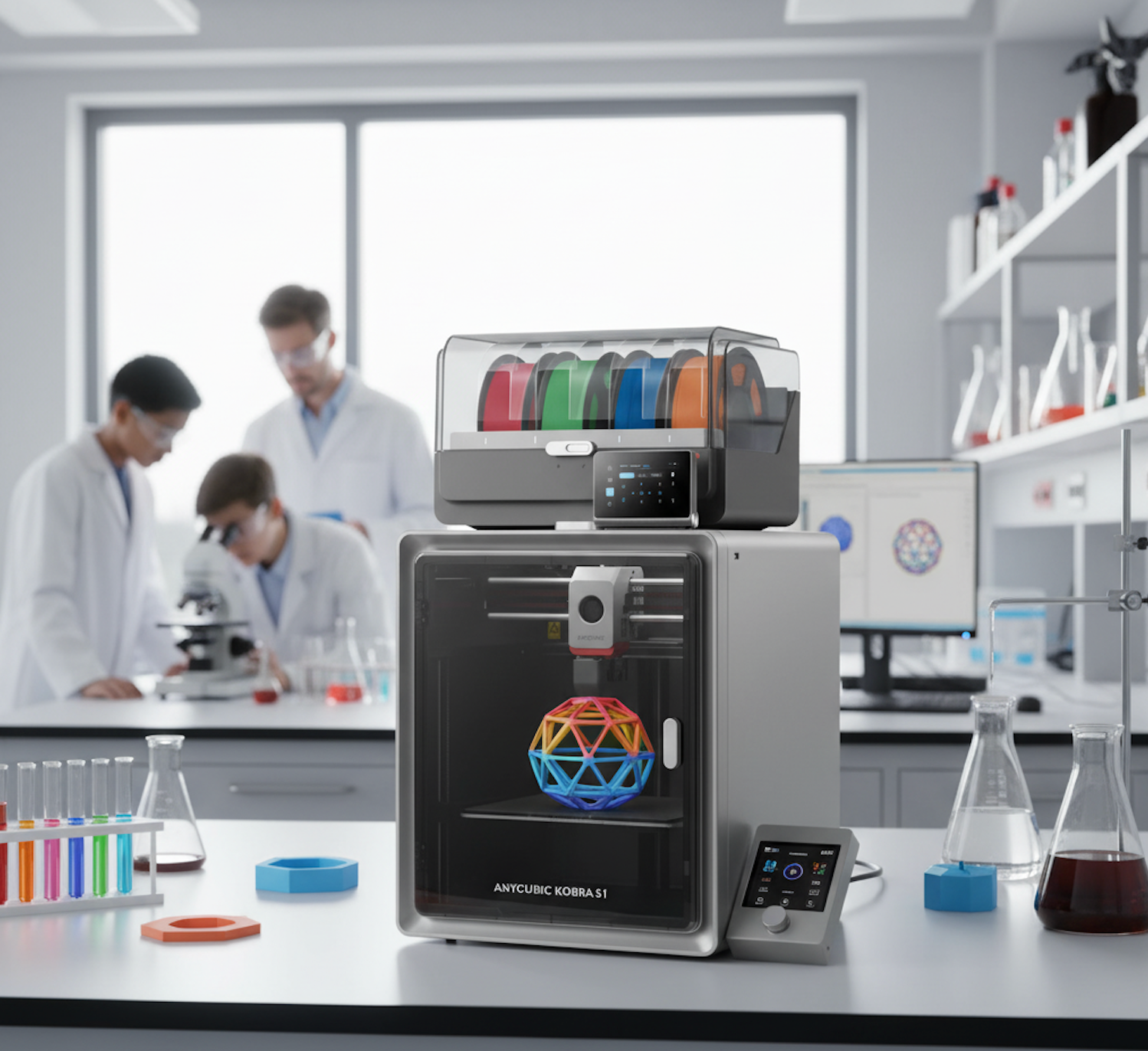
Explore grants or educational discounts to scale up affordably over time.
In Georgia, where ingenuity has long fueled our crafts and inventions, the right 3D printer honors that spirit—empowering educators to blend tradition with tomorrow’s tools.
“A well-chosen printer doesn’t just print objects; it prints possibilities.” – A nod to innovative Georgian teachers.
What challenges have you faced in selecting school tech? Share in the comments—we could highlight your tips.
Join Georgia’s Makers Movement
Want to see how 3D Vinci is helping Georgia build a future of trust, creativity, and local innovation?
👉 Explore more insights at 3dvinci.space/blog
💬 Or share your thoughts below — we’d love to feature your story!
Leave a Reply