

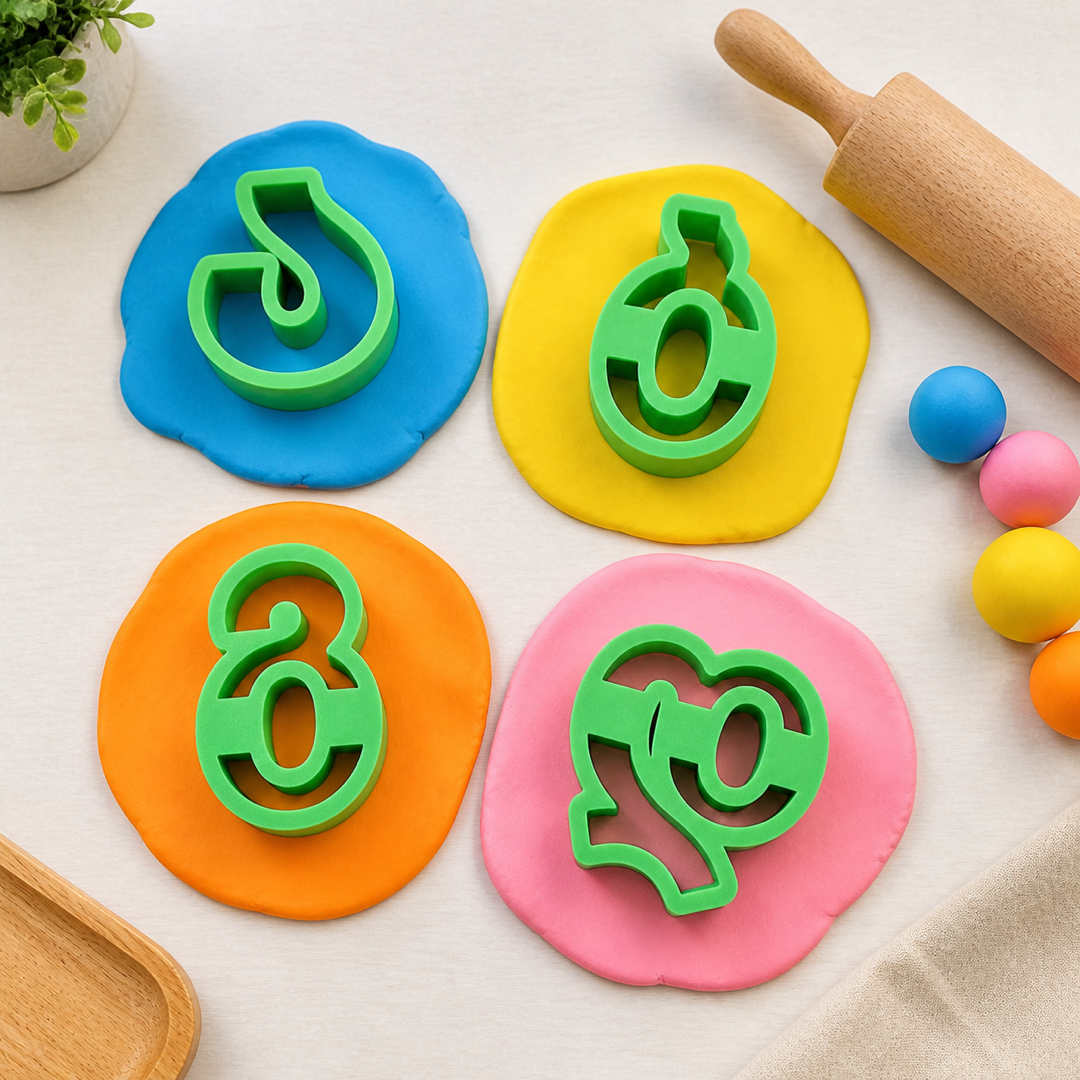
Open a 3D-model library and it can feel as if the whole world has arrived on one screen. There are clever organisers from Europe, educational models from America, toys from Asia, engineering solutions from independent makers and small improvements to everyday objects designed in workshops we may never visit.
We love that part of 3D printing.
At 3D Vinci, we are constantly inspired by designers and makers from around the world. Their work shows us new mechanisms, smarter structures and completely different ways of approaching a familiar problem. Sometimes a model already does its job so well that creating another version only for the sake of saying “we made it” would add nothing useful.
In those cases, we may buy the model or the appropriate licence and print it according to its terms. For us, that is not a shortcut to hide. It is a way of respecting the designer’s work.
But inspiration is only the beginning. A good model can be useful anywhere and still not feel as if it was made for here.
The global maker community is part of our workshop
3D printing has grown through sharing. Designers publish ideas, compare solutions, improve one another’s mechanisms and build on years of experimentation. A small studio in Tbilisi can learn from a designer on the other side of the world within minutes.
That access is extraordinary, and we do not believe local design should isolate itself from it. We want to be part of the same creative conversation.
Using another designer’s work responsibly also means paying attention to authorship and licence terms. Some files are intended for personal use, some allow commercial printing, and others require a separate purchase or permission. When an existing model genuinely suits the task, we would rather obtain the right to use it than pretend the idea appeared from nowhere.
An educational pie chart is a good example of a design language that can travel well. Fractions and angles do not change when they cross a border; a strong mechanism can remain useful in many classrooms. What matters is recognising where the original idea is already enough—and where the local context asks us to design again.
Some ideas travel easily. A strong mechanism can work across languages when its function is already universal.
A good global model is not always a Georgian solution
The difference becomes obvious as soon as language enters the object.
There are thousands of alphabet resources online, but most use Latin letters. There are name puzzles, tracing tools, stamps and classroom organisers, but very few begin with Georgian letterforms, Georgian names or the way Georgian teachers and families will actually use them.
The same is true of cultural references. A generic tower, dress or decorative pattern may be attractive, yet it does not automatically speak to our surroundings. Adding a Georgian flag or ornament at the end is not enough. If we want a product to feel genuinely local, the Georgian element has to belong to the idea, not sit on top of it like a sticker.
That is where our own design work begins.
Sometimes we redesign a familiar product category around Georgian lettering. Sometimes we start from a local form—a chokha, a traditional dress or a Svanetian tower—and search for an honest everyday function. Sometimes the change is quieter: a name integrated into the object, instructions written naturally in Georgian or dimensions adjusted after seeing how the item is actually used here.
The missing Georgian layer in education
Schools and kindergartens can find an enormous number of educational resources online. Numbers, shapes, animals, puzzles and classroom organisers are everywhere. Yet in our own searches and conversations, the choice becomes much smaller when the resource needs to be truly Georgian—not merely translated in a product description, but designed around the Georgian language and local cultural context.
Our Personalized Georgian Name Tracing Set is a small example of the difference. The idea of tracing letters is not uniquely Georgian. The design work lies in giving Georgian letterforms enough space, shaping the channels clearly and preparing an individual name as a physical set rather than forcing a Latin-alphabet resource to do a job it was never designed for.
We are not claiming that one object solves a larger educational gap. It does, however, show what becomes possible when local language is treated as the starting point rather than an afterthought.
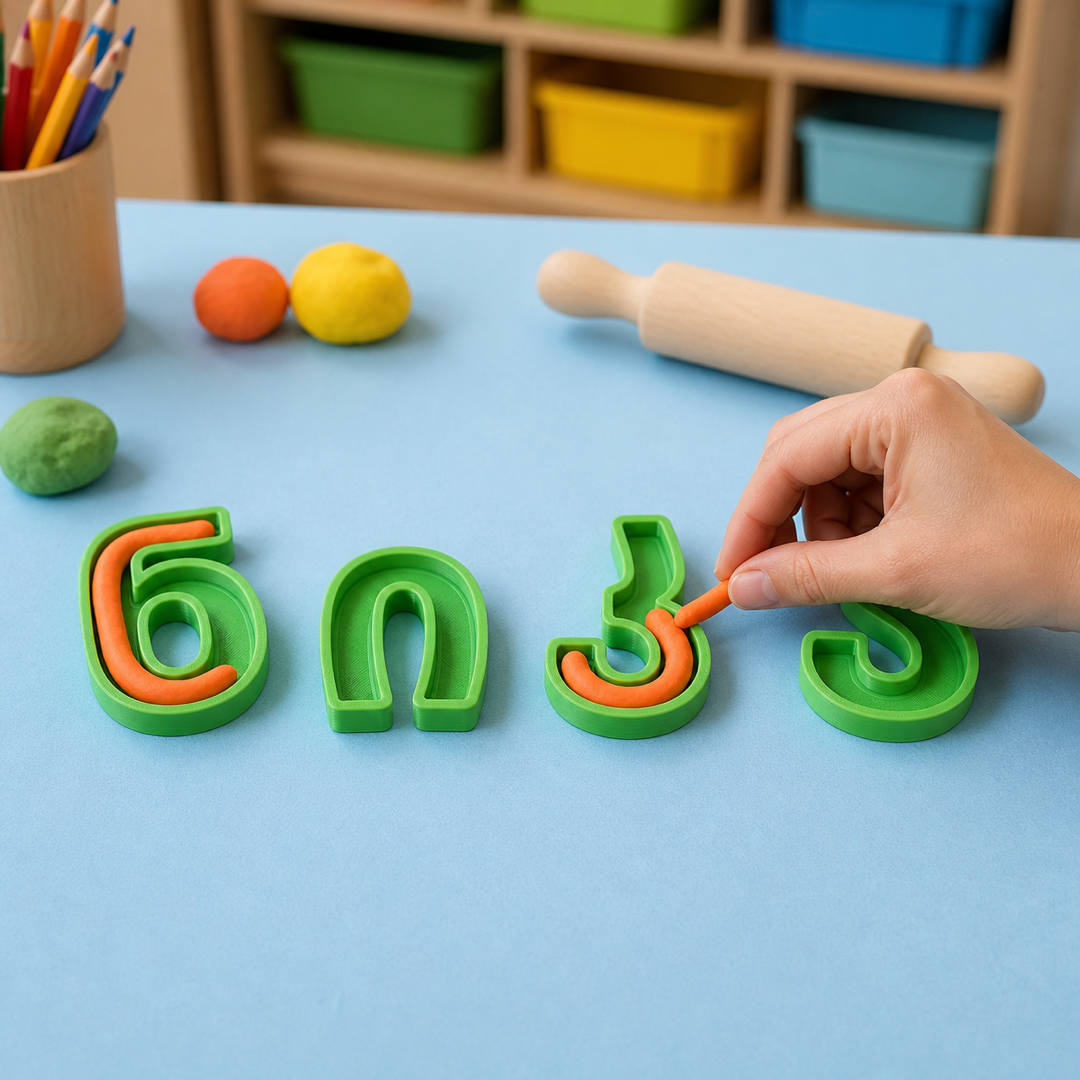
The activity may be familiar, but the letterforms, name and cultural context begin here.
The price gap is real
There is another part of this conversation that we cannot ignore: price.
Schools and kindergartens work with real budgets. Marketplaces such as Temu make bright, ready-made classroom products available at prices that are difficult for a small local studio to match. We understand why that matters. When a classroom needs many objects, even a small difference in the price of each one quickly becomes a large difference overall.
We also want to be fair: a low price does not automatically mean a poor product, just as local production does not automatically guarantee a good one.
The difficulty is that quality, material information, consistency and product origin can be hard to judge from a listing alone. The object may also arrive with the wrong language, fixed dimensions or a theme that has little connection to the people using it. If something needs to change, the distance between buyer and maker becomes very visible.
Our goal is not to win by being the cheapest option at any cost. It is to keep our prices reasonable while offering something the cheapest generic object often cannot: a product made close to the people who will use it, with room for questions, adjustment and a genuinely Georgian version.
What quality means to a small local studio
“Better quality” should not be an empty phrase. For us, it means paying attention to the details we can actually control: whether the print is clean, whether the shape does its job, whether the letters are readable, whether the colours work together and whether the finished object feels considered rather than simply produced.
It also means being reachable. A school or parent can tell us that a name needs to change, a holder needs a different size or a familiar activity needs Georgian letters. We may not be able to say yes to every request, but the conversation itself is possible.
That closeness is one of the few real advantages a local maker has against mass production, and we think it is worth protecting.
Local does not have to mean nostalgic
When we say we want to make products more Georgian, we do not mean covering everything with traditional ornament or turning every classroom object into a souvenir.
Sometimes the most Georgian part of a product is simply a correctly designed name. Sometimes it is a familiar architectural silhouette given a useful role. Sometimes it is a colour or detail that creates recognition without demanding attention.
We want local culture to appear with purpose. A chokha can become a penholder because its structure supports that function. A Georgian name can become the centre of a tracing set because the letters are the activity. The reference works best when it helps define the object rather than merely decorate it.
Inspired everywhere, responsible here
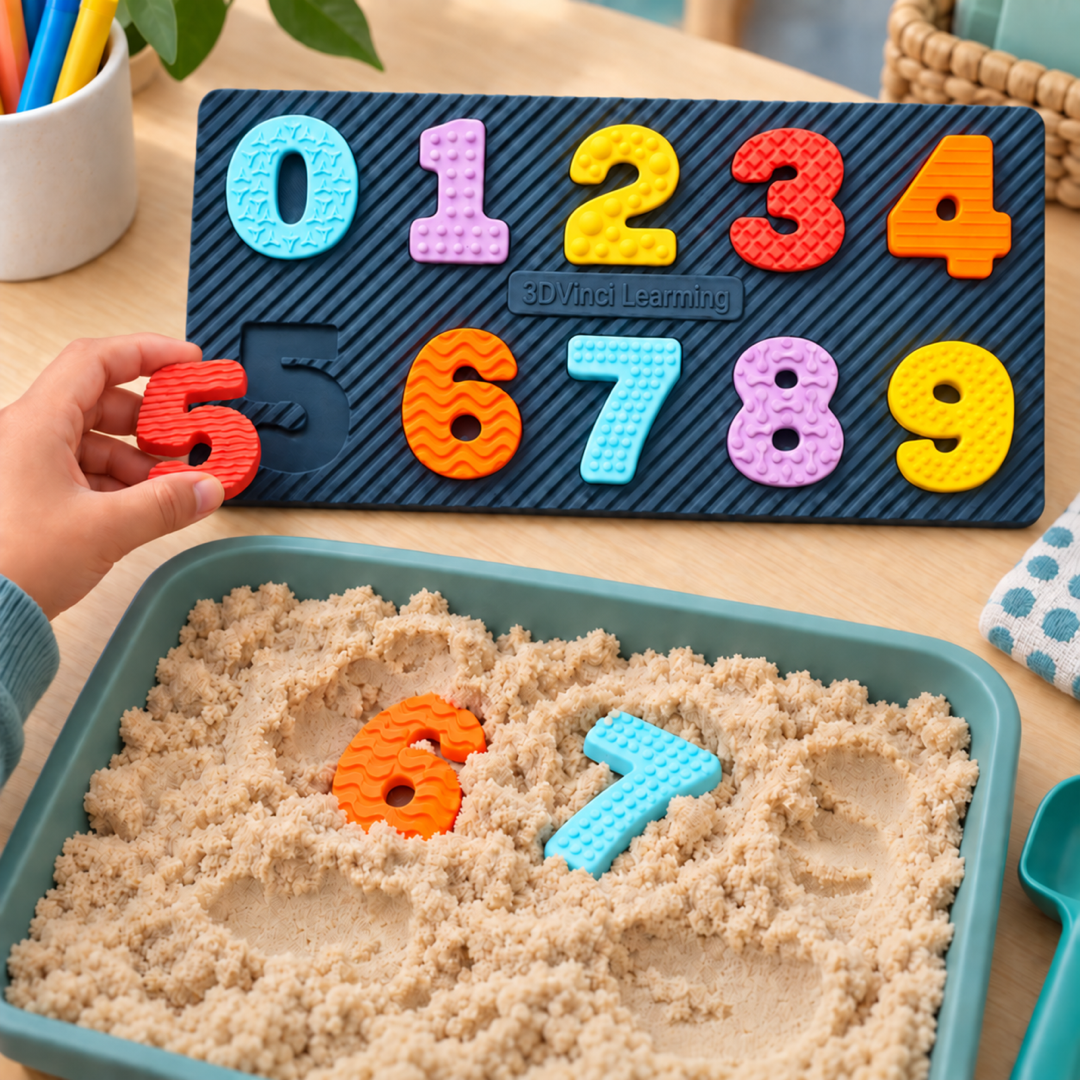
We do not want to choose between international inspiration and local originality. We need both.
The worldwide maker community gives us ideas, knowledge and standards to learn from. Buying a well-designed model or licence can be the right decision when the existing work already answers the need. Creating our own model becomes necessary when Georgian language, tradition, practical context or personalisation changes the question.
Our responsibility is to know the difference.
We want to bring Georgian schools, kindergartens and families more objects that do not feel like distant products with Georgian text added later. We want them to feel considered from the first sketch: useful, culturally familiar, carefully made and priced realistically enough to be chosen.
Inspired by the world, certainly. But designed for the people and places around us.
Leave a Reply