

There is one conversation we have with clients again and again.
“What is it made from?”
“We mostly print with PLA.”
“Oh, so it’s plastic. But is it safe? Can it be washed?”
The concern is understandable—especially when the object will be used by a child. Parents and educators should ask these questions. We ask them too.
The honest answer is not that all plastic is bad, nor that every object labelled PLA is automatically safe. It is that PLA can be a very practical material for selected child-facing products when the exact filament, design, production process, intended age and way the object will be used are all considered together.
That is why we use it so often at 3D Vinci.
The Word “Plastic” Is Not a Safety Verdict
PLA—polylactic acid or polylactide—is a thermoplastic commonly produced from sugars obtained from plant-based resources. It is still plastic, but the word plastic describes a large material family; it does not tell us by itself whether a finished product is appropriate for a child.
We sometimes hear PLA described simply as “non-toxic.” We understand what people mean, but for a children’s product that phrase needs more care.
A safety data sheet can describe the hazards of one exact PLA resin or filament. It does not automatically cover every colour, pigment, additive or blended filament sold as PLA. It also cannot evaluate the shape of the finished object, whether a piece could break off, whether an edge is too sharp or whether the product is suitable for a particular age group.
For us, “PLA” is the beginning of the safety check—not the end.
Why We Often Choose PLA for Child-Facing Items
For many indoor learning aids, creative tools, personalised organisers and carefully designed accessories, PLA offers a useful combination of qualities.
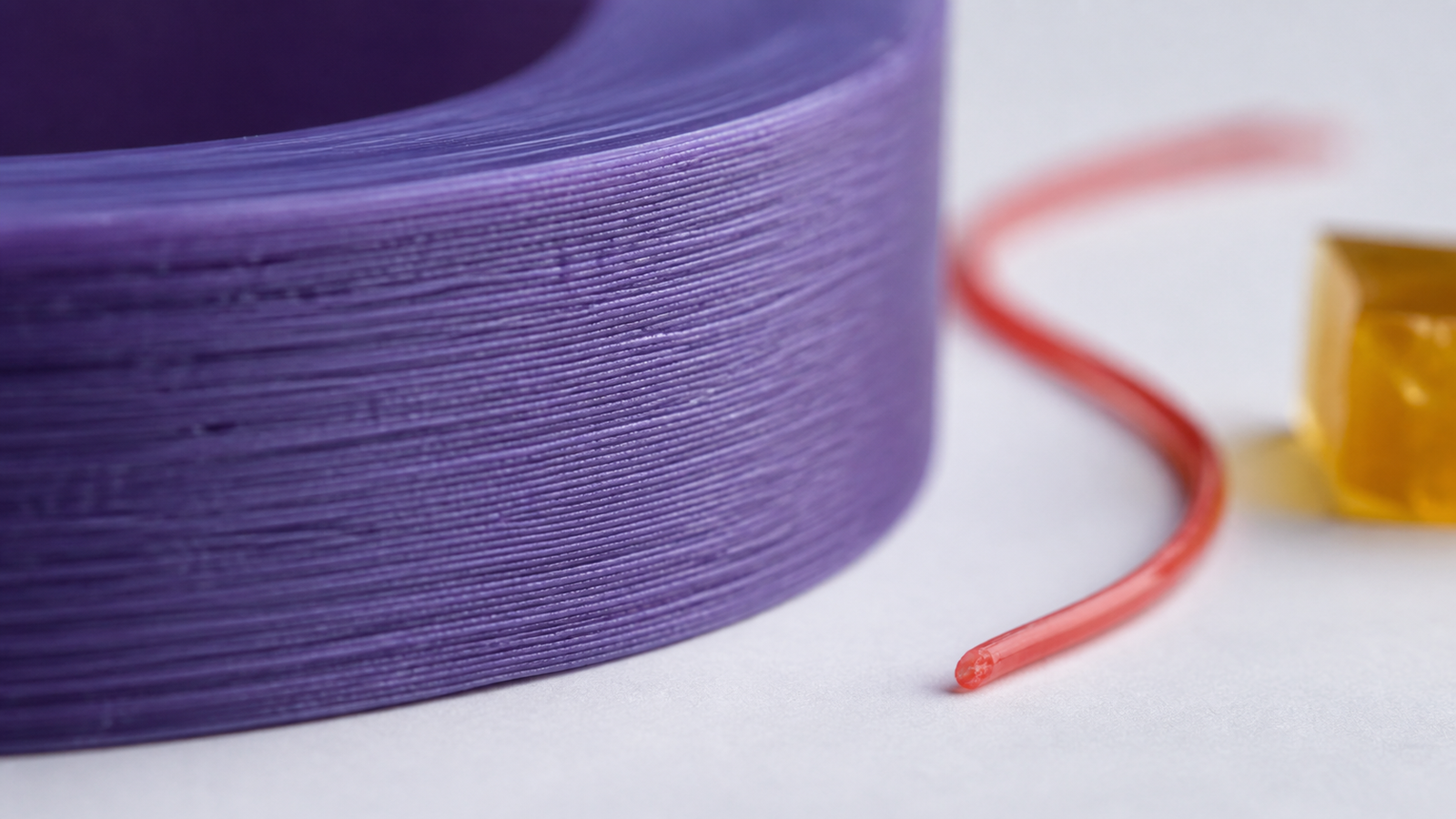
It prints with good detail, which matters when the shape has a specific function. It usually keeps its dimensions well during printing, helping us produce consistent pieces. It is also available in many colours, so we can create clear visual differences without making every object look industrial or impersonal.
Just as importantly, 3D printing allows us to make an object for a particular child, activity or learning need instead of forcing every person to use the same standard solution. We can adjust the size, test the shape and make a small quantity when only a few pieces are genuinely needed.
This is where PLA works especially well for us: selected indoor products with a clear purpose, used in the way they were designed to be used.
Can a PLA Object Be Washed?
Yes—many PLA objects can be wiped clean or gently hand-washed. This practical quality is one reason we may choose PLA for children’s learning tools and accessories that need regular cleaning.
Our general care guidance is simple:
- use a soft cloth, mild soap and cool or lukewarm water;
- wipe or wash the object gently rather than scrubbing it with an abrasive sponge;
- rinse only as much as the product’s shape requires and dry it completely;
- keep it away from boiling water, dishwashers, strong heat and hot cars;
- inspect it regularly and stop using it if it cracks, deforms or develops a sharp edge.
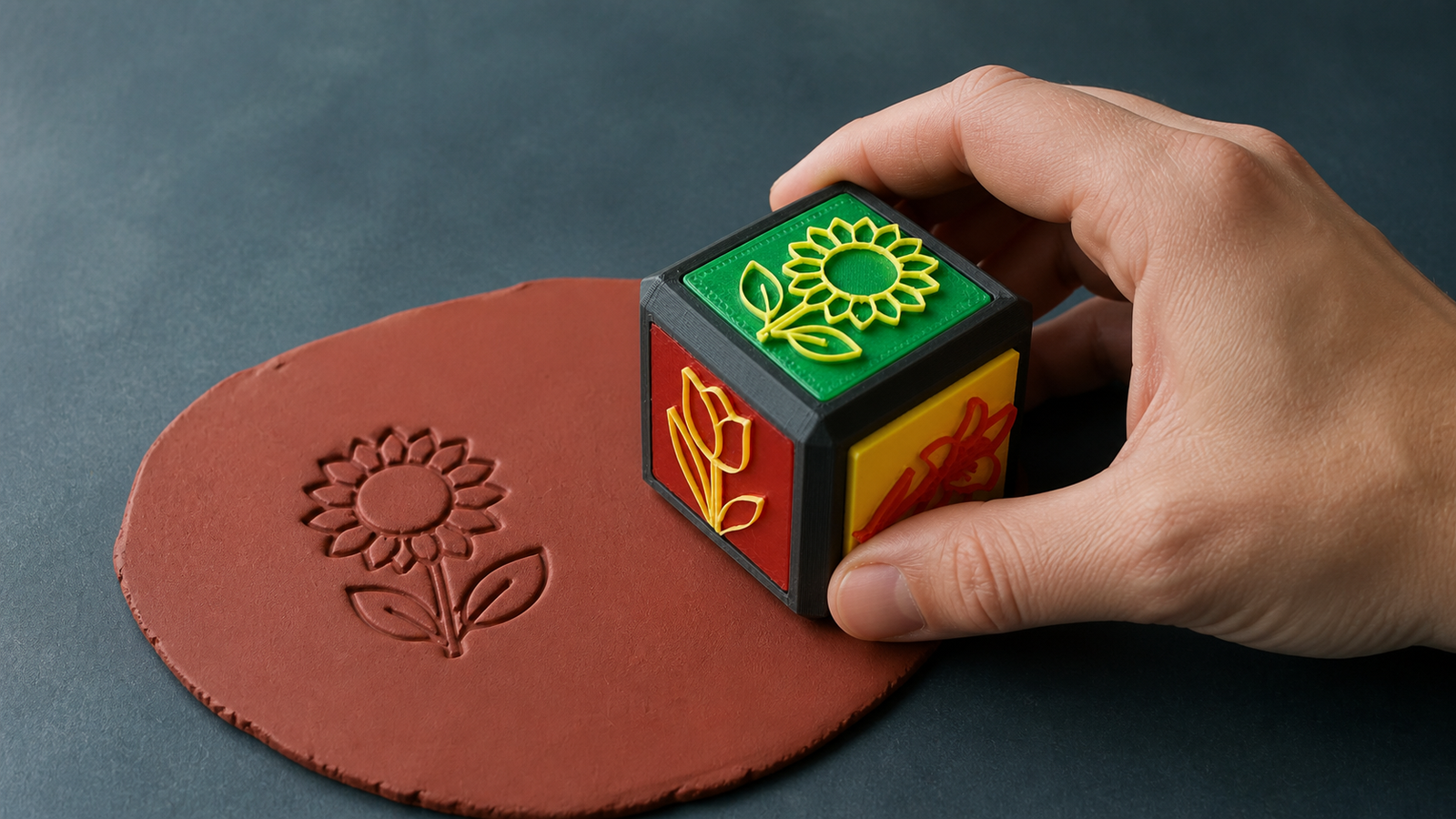
PLA can soften under heat, and a 3D-printed surface contains layer lines. That means “washable” does not automatically mean dishwasher-safe, heat-sterilisable or suitable for food contact. A product with openings, joints or deep grooves may also need more careful drying than a simple solid shape.
The instructions for the specific 3D Vinci product should always take priority over general advice.
Material Choice Is Only One Part of Child Safety
When we make something for a child, the finished object matters more than a reassuring material label.
We need to consider who will use it, whether it is a toy or another kind of child-facing product, whether it may be placed in the mouth and whether small parts, breakage, sharp edges, heat or wear could create a risk. The exact filament and colour matter. So do the printer, the nozzle, any coatings or added components, and the way the item is cleaned and inspected over time.
Products intended for children may also be subject to different testing and documentation requirements depending on their purpose, age group and market. A material data sheet is valuable evidence, but it is not a certificate for the finished object.
This may sound less simple than saying, “Don’t worry, it’s non-toxic.” But it is a more responsible promise.
What We Mean When We Say We Use PLA for Children’s Products
We mean that PLA is often a practical starting material for the type of precise, personalised and cleanable indoor objects we create.
We do not mean that every PLA filament is identical. We do not mean that every 3D-printed shape is suitable for every child. And we do not use the material name as a substitute for thoughtful design, appropriate care and product-specific review.
So, is it plastic? Yes.
Can it be washed? Often, yes—with mild soap, cool or lukewarm water and the care appropriate to that particular object.
Is “PLA” alone enough to call a children’s product safe? No. The more meaningful answer comes from the exact material, the finished design and the way the product will be used.
That is the standard we want our work to meet—and the conversation we are always ready to have with parents, educators and clients.
Leave a Reply