

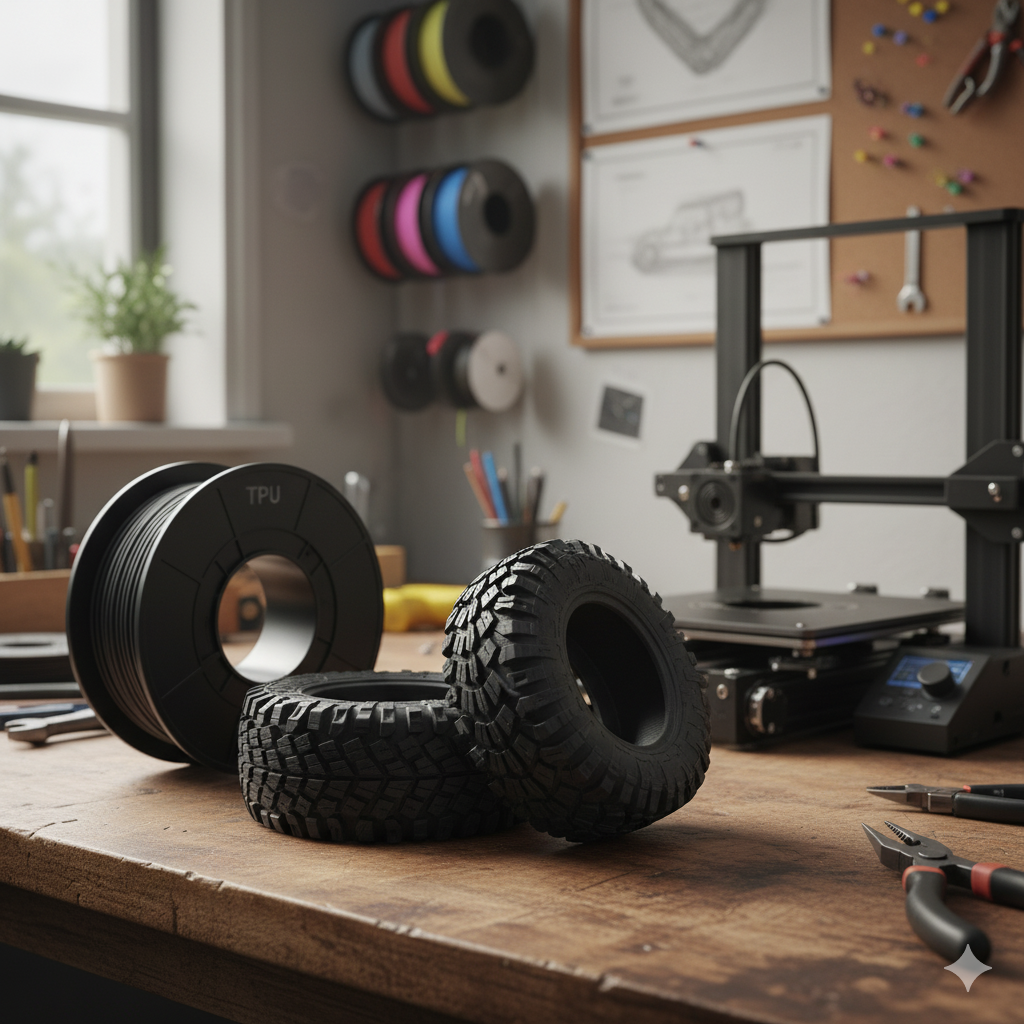
TPU filament—short for Thermoplastic Polyurethane—has become one of the most popular flexible materials in the 3D-printing world. Known for its elasticity, durability, and impressive resistance to wear, TPU opens the door to projects that simply aren’t possible with rigid plastics like PLA or ABS. Whether you’re designing custom phone cases, vibration-damping parts, hinges, or wearables, TPU offers a unique blend of strength and flexibility that sets it apart. But like any material, it isn’t perfect. Below is a full overview of what makes TPU special, where it shines, where it struggles, and how it stacks up against other common filaments.
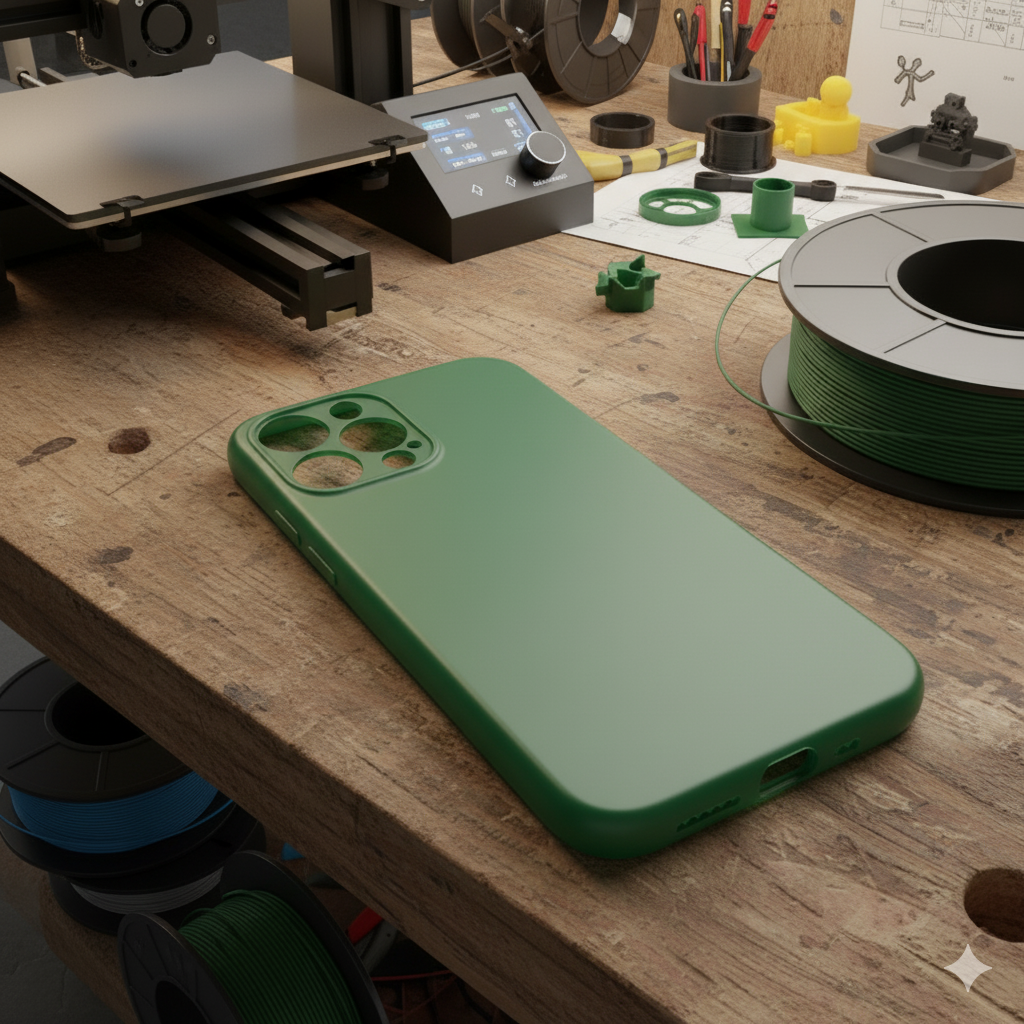
What Exactly Is TPU?
TPU is a flexible thermoplastic elastomer (TPE) that combines the benefits of rubber and plastic. It can stretch, compress, absorb impact, and return to its original shape without tearing. The material feels slightly rubbery and delivers excellent layer adhesion during printing. TPU is available in various “shore hardness” levels—measurements that describe how soft or stiff the material is. Most consumer-grade TPU filaments are around 95A shore hardness, which provides a good balance of flexibility and printability.
The Advantages of TPU
1. Exceptional Flexibility
The biggest draw of TPU is its flexibility. You can bend, stretch, twist, and compress printed objects without them cracking. This makes it ideal for gaskets, joints, phone cases, toy components, and wearable straps.
2. High Impact and Abrasion Resistance
TPU is extremely durable. It withstands impacts far better than PLA and even ABS, and it resists wear and tear—perfect for protective gear and mechanical parts that need to endure friction.
3. Chemical and Oil Resistance
TPU holds up well against greases, oils, and many solvents. This makes it suitable for industrial applications such as seals and bushings.
4. Good Layer Adhesion
Because of its rubber-like composition, TPU layers bond tightly together, resulting in prints with strong structural integrity.
The Downsides of TPU
1. Difficult to Print for Beginners
The filament is flexible, which means it can bend inside the extruder, causing jams—especially in Bowden setups. Direct-drive printers usually handle TPU much better.
2. Slow Print Speeds
TPU requires slow, consistent extrusion to keep print quality high. Unlike PLA, which can be printed fast, TPU typically prints at 20–40 mm/s.
3. Stringing and Oozing
Its softness makes TPU prone to stringing, requiring careful tuning of retraction settings.
4. Lower Dimensional Accuracy
If precision is your goal, TPU may frustrate you. Its elasticity means it doesn’t hold tight tolerances as well as stiffer materials.
How TPU Compares to Other Filaments
PLA vs. TPU:
PLA is rigid, easy to print, and great for beginners. TPU is flexible and harder to work with. If you need structure and fine detail, stick with PLA; if you need toughness and flexibility, TPU wins.
ABS vs. TPU:
ABS is stronger and more heat-resistant but prone to warping. TPU offers better impact resistance and flexibility but less heat stability.
PETG vs. TPU:
PETG offers a good balance of strength and ease of printing, but it can’t match TPU’s elasticity. TPU, however, prints more slowly and can be trickier to tune.
Conclusion
TPU is a versatile and powerful filament that expands what’s possible in consumer 3D printing. While it’s not the easiest material to work with, its unique properties—flexibility, durability, and resistance to abrasion—make it a favorite for functional parts. With patience and proper printer settings, TPU can transform your projects far beyond what rigid filaments can achieve.
Leave a Reply