


Hello darlings! Happy November. New month means what? That’s right: Monthly Recap.
Picture this:
You print a replacement bracket, gadget housing or architectural mock-up. Weeks later you sigh: “Why does this still feel like an experiment?”
For far too many, additive manufacturing still whispers promises rather than broadcasting deliveries. But this October, the 3D-printing world began shifting gears—moving from “look what we could do” to “look what we are doing.”
Insight / Problem Definition
There’s still a gap. Consider:
• Many manufacturers still treat 3D printing as prototyping, not production.
• Industry valuations (see major firms below) are stagnating or modestly rising, hinting at investor caution.
• Standards and quality assurance remain weak spots for broader adoption.
Key stats in October:
| Metric | Observation | Source |
| Leaderboard valuations | Some companies rose 3–10% while others stagnated. | Fabbaloo |
| Standards development | ASTM International developing new inter-layer weld test for polymer AM. | TCT Magazine |
| Construction scale | Europe’s largest 3D-printed housing project reached major milestone. | VoxelMatters |
If you’re in Georgia and waiting for local industrial 3D-printing action—yes, the seeds are sprouting. But we’re not exactly in full “forest” mode yet.
3D printing is leaning hard into industrial credibility—production-ready, scale-aware, standardised.
No more “cool demo” mode. It’s moving toward “real factory floor” mode.
Deep Dive / Main Content
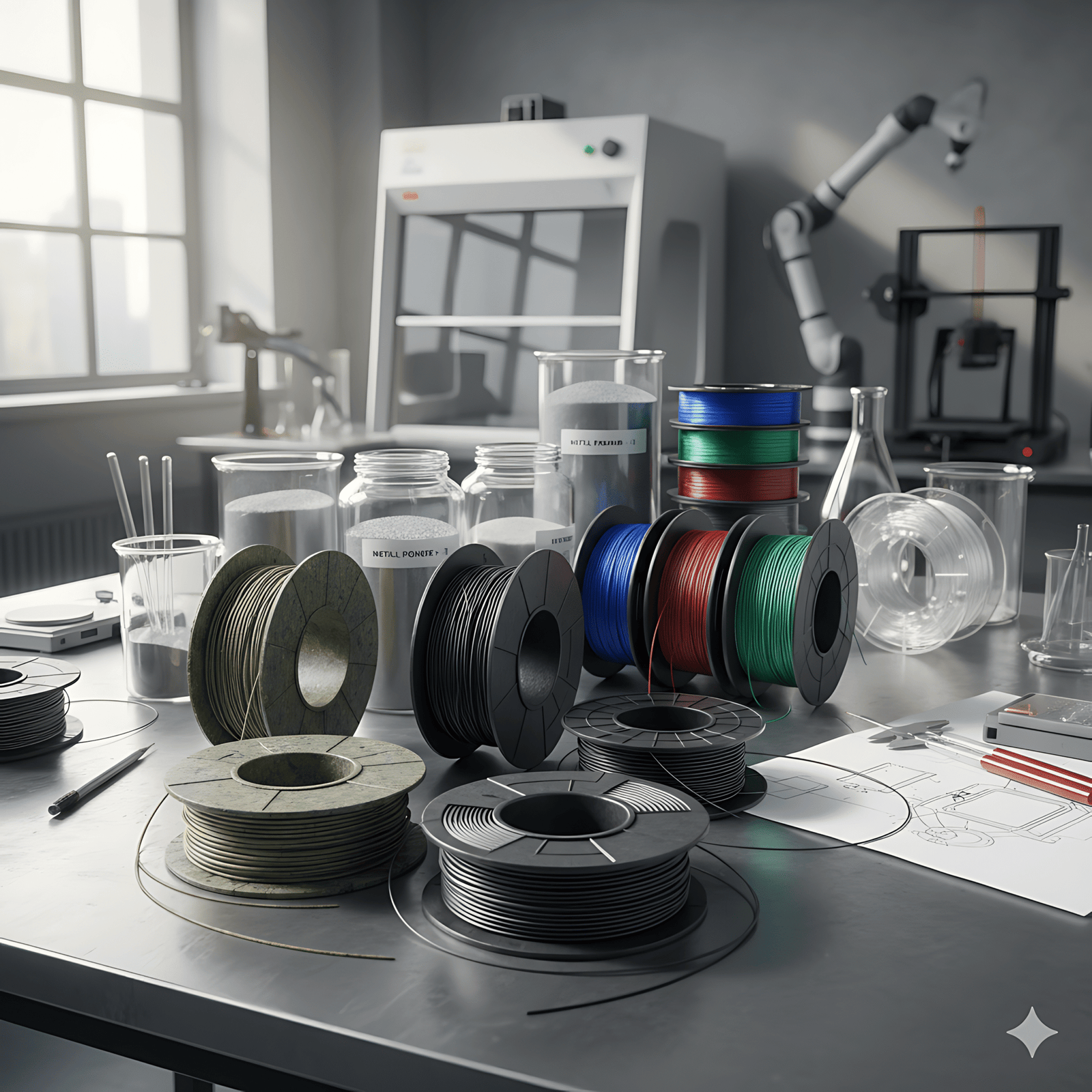
1. Standardisation & Quality Assurance
In October, one of the big leaps: ASTM’s F42 committee proposed a test for inter-layer weld shear strength in polymer extrusion AM. (TCT Magazine)
Why this matters:
• Inter-layer welds have been the weak link in FDM/FFF parts—little consistency, hidden failures.
• With a standardised test, designers & manufacturers can validate parts more reliably so AM moves from “novel” to “functioning part.”
• For local makers (yes, I assume you’ll care), this means the bridge from hobby to industrial becomes measurably less rickety.
2. Scaling in Construction & Housing
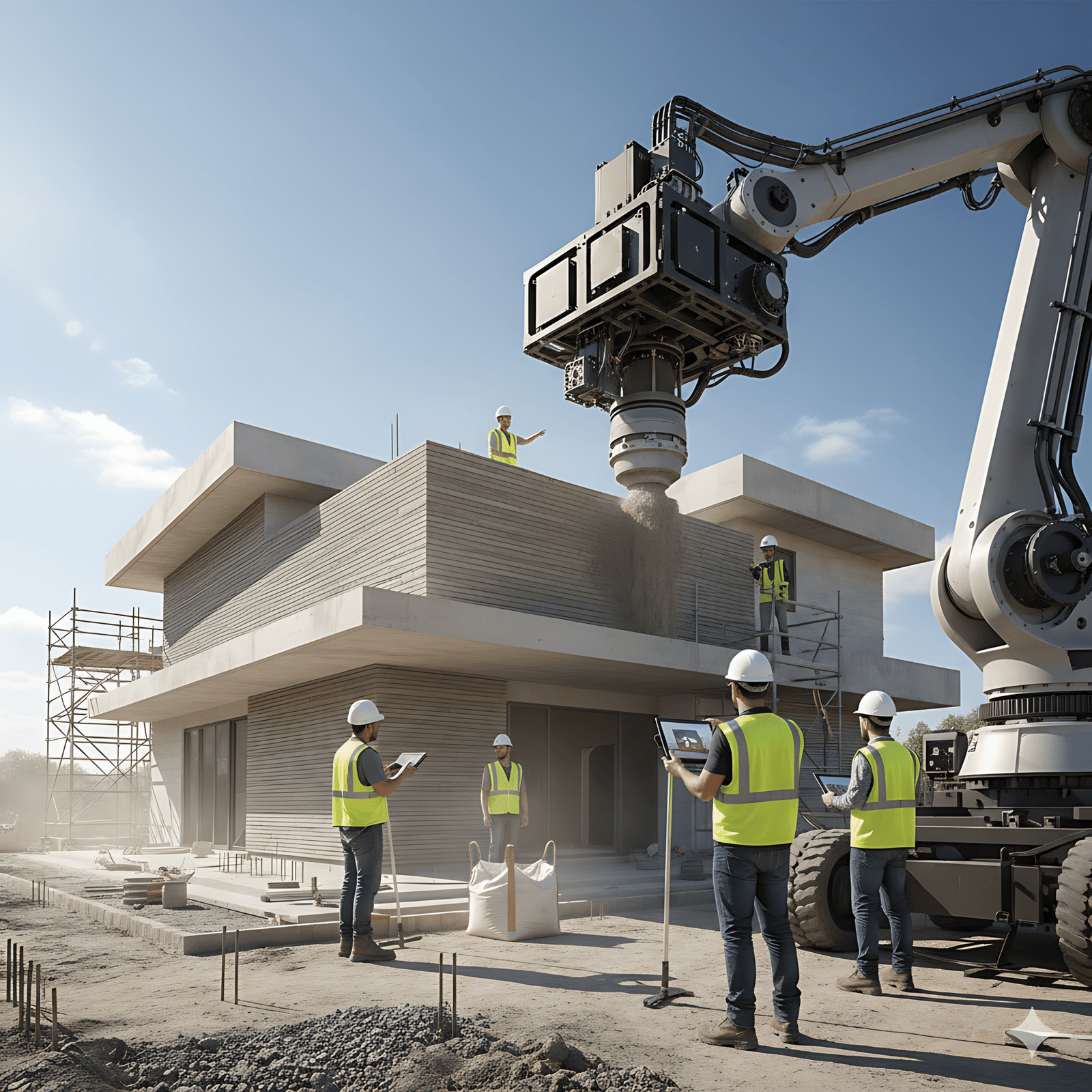
Here’s one that feels tangible: Skovsporet, in Denmark, is now the continent’s largest 3D-printed housing project (36 student apartments). Walls printed via COBOD International BOD3 printer, using low-carbon concrete formulations. (VoxelMatters)
Takeaways:
• Scale counts: From single units to multi-building developments.
• Sustainability in the mix: less waste, fewer trees cleared (~5 % site impact noted).
• Tech vs. craft blend: For Georgian architects and builders, this hints at locally produced modules rather than imported pieces.

3. Materials Innovation & Application Expansion
October gave us multiple lines of progress:
• A big factory in Mumbai, India: WOL3D’s “BRAHMA” facility turned heads—rows of 3D printers replacing heavy machinery. (The Economic Times)
• Resin specialist AmeraLabs launched FLX-300, a flexible, long-life resin for functional parts (gaskets, dampers)—not just models. (Tom’s Hardware)
• As mentioned, standardisation efforts for polymer AM welds (see above).
All of which point to: 3D-printing materials & systems are maturing. Less “toy” vibe, more “engineered part” vibe.
4. Industry Movements & Business Signals
Let’s talk business. The leaderboard of public 3D-printing companies shows some cautious optimism. Companies like Velo3D gained ~17 % on defense/rocket-printing news. (Fabbaloo)
But the broader scene? Still tentative.
Also worth noting: large enterprise deployments. 3DPrinterOS now manages hundreds of printers across global sites. (3DPrint.com)
Why this matters:
• The “lab printing one model” era is ending.
• We’re entering the “fleet printing across locations, integrated in manufacturing workflows” era.
• For Georgian firms: If you’re still using 3D printers as isolated silos, you’ll fall behind companies that treat them as networked assets.
“Examples of large-scale 3D-printed housing, new flexible resin for functional parts, and schematic for inter-layer weld testing in polymer AM.”
In Georgia, craftsmanship has always been about making something local, beautiful, trusted.
The shift we’re seeing in 3D printing this October isn’t only about machines and materials—it’s about reclaiming that local creative energy. Because when your maker-space, your small business or student project can print for real, rather than just prototype, you’re making rather than waiting.
And that is the kind of creative freedom our heritage deserves.
Final Thoughts
October proved that additive manufacturing is inching into the industrial mainstream—not just hype.
Standards are catching up. Materials are getting serious. Scale projects are being delivered.
If you at 3D Vinci keep an eye on this: you’re not riding a passing trend, you’re stepping into the next wave.
Next: How 3D Printing Brings Georgian Heritage to Life →
✨ Join Georgia’s Makers Movement
Want to see how 3D Vinci is helping Georgia build a future of trust, creativity, and local innovation?
👉 Explore more insights at www.3dvinci.space/blog
💬 Or share your thoughts below — we’d love to feature your story!
And that’s a wrap! Shoo, children.
… I’m not doing this again. Just go.
Leave a Reply